


Karl Spencer, Safety PAL’s founder and managing director, delves into a recent incident that underscores a critical issue in workplace safety, where a technician lost his finger due to insufficient training.
With such dire consequences of neglecting legal obligations, Karl muses on why so many companies continue to fall short in providing adequate safety measures for their employees, drawing upon a recent talk he attended at the SHE Show and why crucial legal perspectives may have been often overlooked. This is a must-read for any business leader committed to preventing the real-world impact of failing to meet safety standards…
Do Companies Need To Be Burnt Before Implementing Action?
I still struggle to understand why employers allow employees to complete work, use machinery, or operate in a workplace environment without providing them with suitable and sufficient knowledge, information, instruction, and training. This negligence raises critical questions about the reliance on hope and ignorance as excuses.
On July 3, 2024, a stark example of this issue came to light when a local authority was sentenced after a 29-year-old lost his finger while operating a machine. The technician, working in the design and technology (DT) department of the school in Horsham, lost his right index finger to a circular bench saw while cutting pieces of wood for a lesson. Despite having used the saw many times, the technician had not been trained on how to use it safely.
The Health and Safety Executive (HSE) investigation revealed that West Sussex County Council, responsible for the school, had failed to ensure proper training for the technician. You can read the full HSE press release on the incident here https://press.hse.gov.uk/2024/07/03/council-fined-as-school-technician-loses-finger/
The Council pleaded guilty to breaching Regulation 9 of the Provision and Use of Work Equipment Regulations 1998, which states:
Training
9.—(1) Every employer shall ensure that all persons who use work equipment have received adequate training for purposes of health and safety, including training in the methods which may be adopted when using the work equipment, any risks which such use may entail and precautions to be taken.
This incident prompts us to question whether hope or ignorance led to such a tragic event? Hope that “it will never happen to us,” or can they claim ignorance – a lack of knowledge or information – saying they didn’t know what the law required them to do?
Can providing knowledge and information about legal requirements make a difference?
This question took on a new dimension for me during a recent talk I attended at the SHE Show South (Safety, Health and the Environment) event in July 2024.
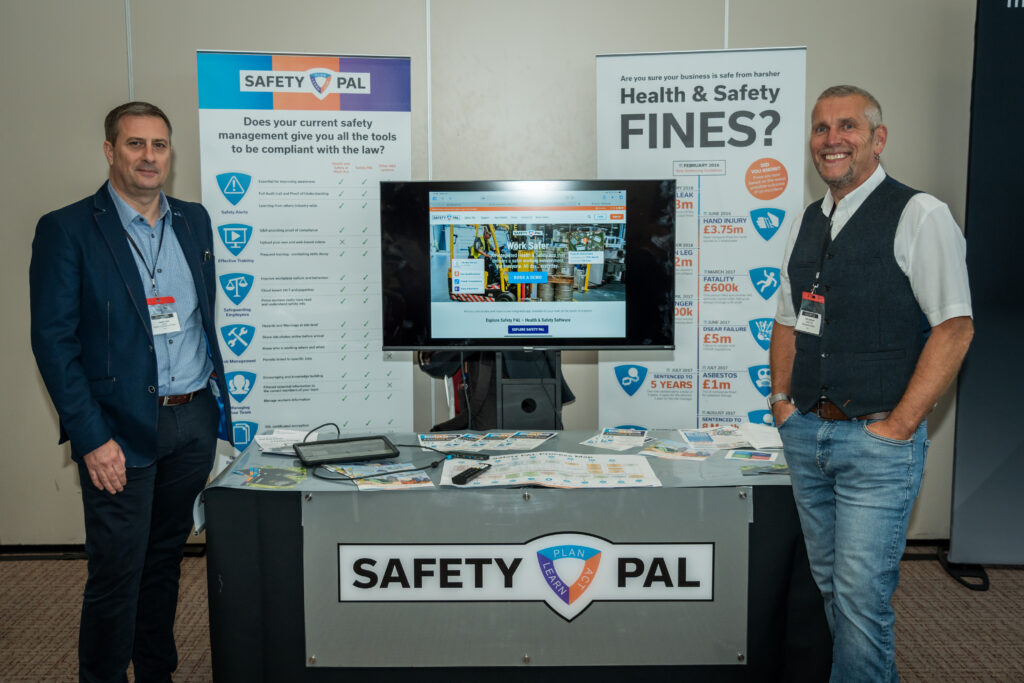
At the SHE (Safety, Health and the Environment) Show South event in July 2024, the lineup of six speakers was truly awe-inspiring, delivering compelling stories, narratives, and calls for change that captivated the audience. Several speakers stood out for their personal sacrifice, tenacity, and dedication, in particular, Lee Spencer (The Rowing Marine) and Kristian Thomas (former Olympic medalist) – exemplified by the sheer number of posts on social media, where attendees shared and celebrated these powerful messages of improvement and dedication.
However, one speaker stood out to me in a different way – Solicitor Advocate, Mark Scoggins. He didn’t incite the audience to chant or clap, nor did he seem to motivate them to go out and do something amazing. Instead, he spoke from a legal perspective, using HSE guidance documents, statistics, and analytics to emphasise that health and safety legislation requires assessing the level of risk from workplace hazards and taking all reasonably practicable measures to prevent or sufficiently reduce that risk.
Did this speaker inspire the audience? I suspect not. Did the audience leave with a resounding commitment to ensure that what the law requires is being done? Will companies use analytics and statistics to highlight risks and control measures to their workforce? Perhaps not. But it’s the law, and it’s crucial.
Hope is not a tactic – ignorance is not bliss
I think the subdued response to the legal discussions at the SHE Show reflects a common oversight that can have serious consequences, as seen with the Council’s prosecution. Often, the importance of adhering to legal requirements to ensure a safer working environment is underestimated. Hoping for the best will not ensure compliance.
This is not an isolated incident, it happens far too often – watch this video bringing together a few of the recent HSE prosecutions. While watching, ask yourself:
- Can I prove I did so far as is reasonably practicable to prevent harm to employees and non-employees affected by our works?
- Is there a risk assessment in place for any specific activity, and is it relevant to the task?
- Have all the relevant workers on the task read and understood the risk assessment and other important information?
- Do the workers have suitable and sufficient knowledge, information, instructions and training to work safe?
Come back to this list when you have finished the video, and review your answers again…
Most of the companies in this video were prosecuted (in June 2024) under Section 2 and Section 3 of the Health and Safety at Work etc. Act 1974. With others prosecuted under the Provision and User of Work Equipment Regulations 1998 (PUWER)
Section 2 of the Health and Safety at Work etc. Act 1974:
General duties of employers to their employees.
2-(1) It shall be the duty of every employer to ensure, so far as is reasonably practicable, the health, safety and welfare at work of all his employees.
Section 3 of the Health and Safety at Work etc. Act 1974:
General duties of employers and self-employed to persons other than their employees.
3- (1) It shall be the duty of every employer to conduct his undertaking in such a way as to ensure, so far as is reasonably practicable, that persons not in his employment who may be affected thereby are not thereby exposed to risks to their health or safety.
The provision ansd Use of Work Equipment Regulations 1998:
Information and instructions.
8. -(1) Every employer shall ensure that all persons who use work equipment have avaiable to them adequate health and safety information and, where appropriate, writtn instructions pertaining to the use of the work equipment.
The reason these companies faced prosecution by the HSE (and why these workers were unfortunately injured or killed) is that the companies did not sufficiently demonstrate that they had taken all reasonable measures to prevent harm, as mandated by Health and Safety Legislation.
One of the most significant challenges you and other companies face is not just distributing knowledge, instructions, and training but also proving their effective implementation. Many businesses – like the Council and the businesses in the video – struggle to ensure that all employees receive and understand ongoing safety updates and training. This issue is compounded by the need to constantly refresh knowledge to align with the latest safety protocols and regulations.
Successfully meeting these requirements necessitates a robust safety management system like Safety PAL, that not only distributes and monitors compliance but also adapts to regulatory changes and workplace needs.
ENJOYING THIS ARTICLE? STAY SAFE AND INFORMED
Subscribe to our email newsletter to receive timely updates, helpful safety alerts, and the latest insights directly to your inbox...
How using Safety PAL could have prevented these prosecutions
Using Safety PAL could have potentially prevented the prosecution of the council involved in the unfortunate incident where a worker lost his finger.
Integration of HSE Guidelines with Safety PAL: Safety PAL provides a comprehensive platform to integrate and disseminate the HSE’s free guidance. Here are some examples of circular saw safety advice and mandatory rules for workplace safety, which are easily added to Safety PAL and will then be added to the worker To Do List based on the worker’s discipline and requirements:
- https://www.hse.gov.uk/woodworking/ripsaw.htm
- https://www.hse.gov.uk/pubns/wis16.pdf
- https://www.hse.gov.uk/pubns/circular-saw.pdf
This ensures that all relevant safety information is readily accessible to workers.

Documentation and Audit Trails: With Safety PAL, not only is all required information easily shared with workers, but there is also an audit trail that confirms whether each worker has read and understood the information. This feature is critical in demonstrating compliance and due diligence in safety training.

Enhanced Training Tools: Safety PAL allows the incorporation of interactive training tools like videos and Q&A sessions to enhance the worker’s knowledge and understanding. These tools make the training more engaging and effective, ensuring that workers fully grasp safety procedures.
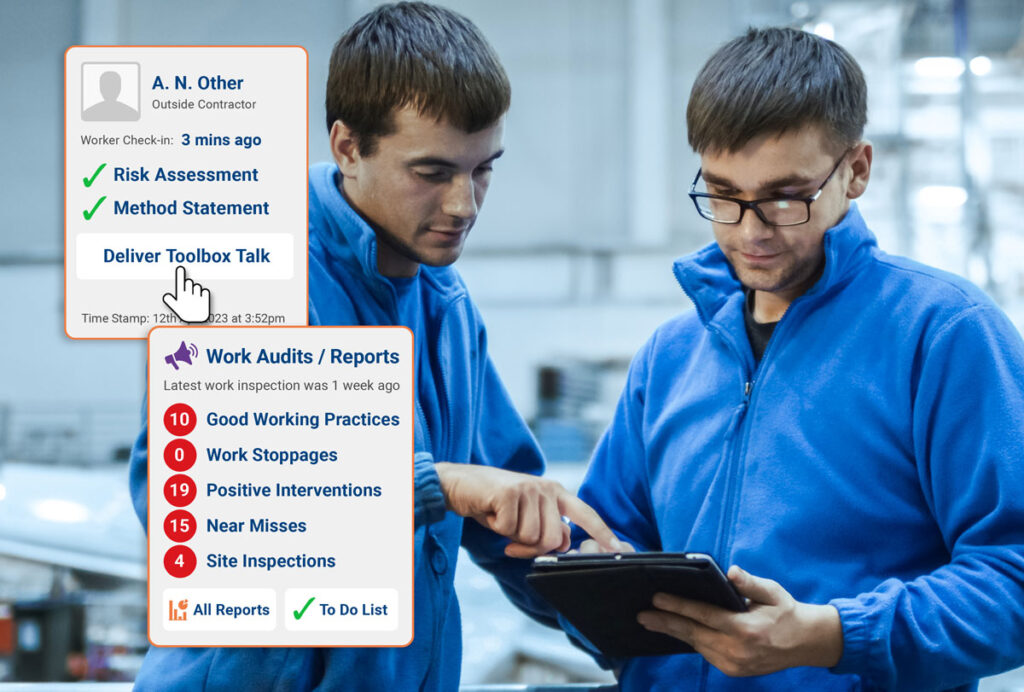
Risk Assessments and Safe Systems of Work: Safety PAL enables the integration of risk assessments into the workflow. Workers are required to read and understand these assessments as part of their job initiation process. This ensures that they are aware of the risks and the necessary precautions before they begin any task.
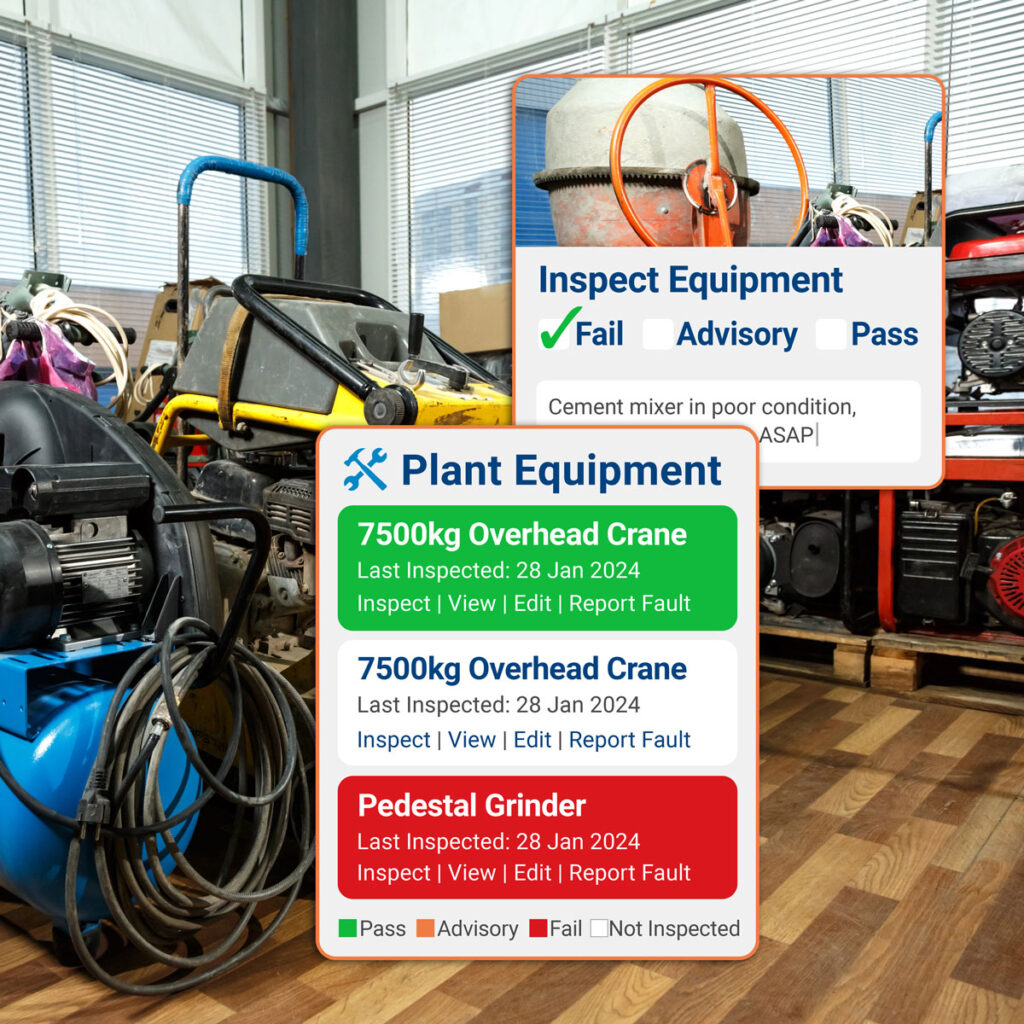
Asset Management and Training: The platform includes features for managing assets, such as equipment manuals, which are essential for proper training on specific machinery. This ensures that all workers have access to up-to-date and relevant information on equipment use and safety.

Competence Assessments: Safety PAL provides tools for conducting competence assessments to ensure that the knowledge and information provided are converted into the skills needed for safe work practices. These assessments help identify gaps in knowledge and skills, allowing for targeted retraining.

Proof and Evidence: Armed with comprehensive documentation, proof of training, and competence assessments, a company can effectively repudiate any claims or attempts at prosecution related to workplace accidents.
In cases where a worker still fails to follow your safety guidelines despite your best efforts, Safety PAL’s evidence would shift the focus of legal scrutiny towards individual negligence (Section 7) of the worker putting themselves in danger or those around them rather than lack of corporate oversight (Section 2), which is critical in limiting corporate liability under sections of health and safety law.
In Conclusion
At events like the SHE Show South, where attention often gravitates towards inspiring speakers and dynamic presentations, it’s essential to remember that these engaging topics should not distract from the foundational legal principles that keep workers safe and protect companies from prosecution. The unfortunate incidents leading to prosecutions, such as the case of a technician losing a finger due to inadequate training, starkly illustrate why these legal details are so crucial. These cases show that failure to comply with health and safety laws not only leads to preventable accidents but also severe legal repercussions for the companies involved.
By implementing systems like Safety PAL, which provide a robust framework for disseminating safety training, conducting competence assessments, and maintaining compliance records, companies can showcase a commitment to safety that transcends the mere reaction to crises. This proactive approach not only protects employees but also bolsters the company’s reputation as a responsible employer. Hence, the answer is clear: don’t wait to be “burnt” before taking decisive action. Proactive compliance is essential to safeguard both their employees and their business.
Don't take our word for it,
we'll show you how...
Keeps Employees Safe
By providing training, managing and feedback systems that can be evidenced in 27 languages.
Reduces Risk of Accidents
Provides proof, to reduce your exposure to prosecution.
Provides Real-Time Reporting 24/7
Showing what has been completed, and what important tasks need to be done next.