


Every Health and Safety Manager knows that the Risk Assessment identifies potential hazards, analyses the likelihood, severity, and potential harm, and records the control measures needed to minimise those risks. And that a ‘toolbox talk’ is a short presentation to the workforce on a single aspect of health and safety.
If an inspector arrived tomorrow following an incident, they would first assess your site and activities before requesting your paperwork – your Risk Assessments, Method Statements, Toolbox Talks, and so on. If you and your team have done your due diligence, you’d likely produce a paper file and a hard copy of a sign-on sheet.
But do these documents truly reflect your site, your activities, and the control measures currently in place and working? Did your Toolbox Talks actually deliver concise, activity-specific safety guidance — and, more importantly, would they help you prove that you’ve done everything “so far as is reasonably practicable”?
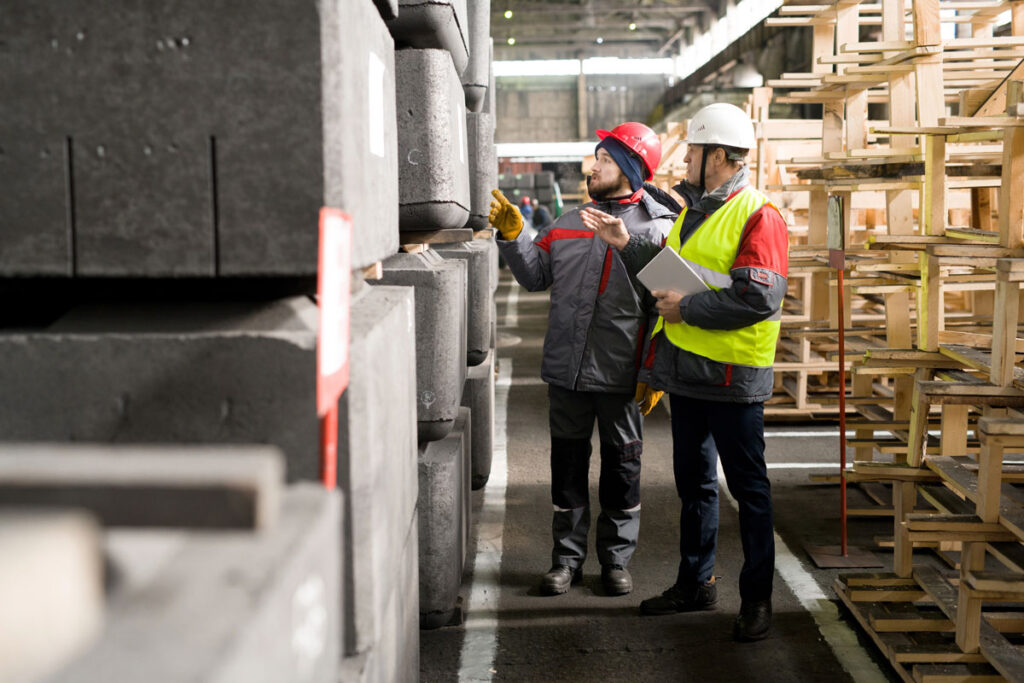
The Weak Link in Your Safety Chain: The Paper Sign-In Sheet
The unfortunate truth is that a simple signature on a sheet isn’t the hard evidence you might think it is. It confirms attendance, yes, but not understanding, nor the effective communication of safety-critical information. Under legal scrutiny, that difference is everything. The burden of proof sits firmly with your business to demonstrate compliance “so far as is reasonably practicable,” and a weak paper trail simply isn’t enough.
While your RAMS and Toolbox Talks are essential for providing knowledge, instruction, and training, the traditional way they’re recorded is riddled with issues — creating unnecessary admin burdens and serious legal risks.
A Logistical Nightmare for Dispersed Teams
Managing paper records for mobile engineers, remote site teams, or a diverse workforce is a constant battle. You are left wondering if supervisors have completed all actions, trying to decipher if the documents returned (when you receive them) are illegible handwriting, and spending hours scanning and filing documents that may or may not be complete. This administrative overload prevents you from focusing on proactive safety initiatives. For businesses with multilingual workforces, paper documents also present a significant barrier to comprehension.
Does a Signature Really Prove Understanding?
An HSE inspector or injury claim solicitor will ask a simple question: “How can you prove the worker understood the information?” A signature on a line cannot answer this. It doesn’t confirm the employee was engaged, understood the language used, or had the opportunity to ask questions. It is a record of presence, not of comprehension.
The Impossible Task of Auditing Paper Records
Imagine a Director asks for a report on which teams received the new briefing on safe operating procedures in association with the Risk Assessments and Method Statements. With a paper system, this requires a manual search through potentially hundreds of files across different locations. The process is slow, inefficient, and there is a constant risk that records are missing or have been damaged. When it comes to an audit, legal or civil challenge, this lack of a central, verifiable record can be catastrophic.
What the Law Demands: Beyond “Tick-Box” Compliance
Although “toolbox talk” isn’t defined in law, its purpose, together with Risk Assessments and other supporting documentation, sits at the heart of UK legal requirements. The Health & Safety at Work etc. Act 1974 and subordinate regulations place a clear duty on employers to provide the necessary information, instruction, training, and supervision to protect their people.
An open discussion on your Risk Assessment, job-specific Toolbox Talks are key elements for fulfilling this duty. However, your legal obligation does not end when the talk is finished. It ends when you can prove it was delivered effectively. Our entire philosophy is built on a simple truth: if you can’t prove it, you haven’t done it. Relying on a disorganised paper system is leaving your company’s fate to chance.
The Safety PAL Solution: From Paper Liability to Digital Proof
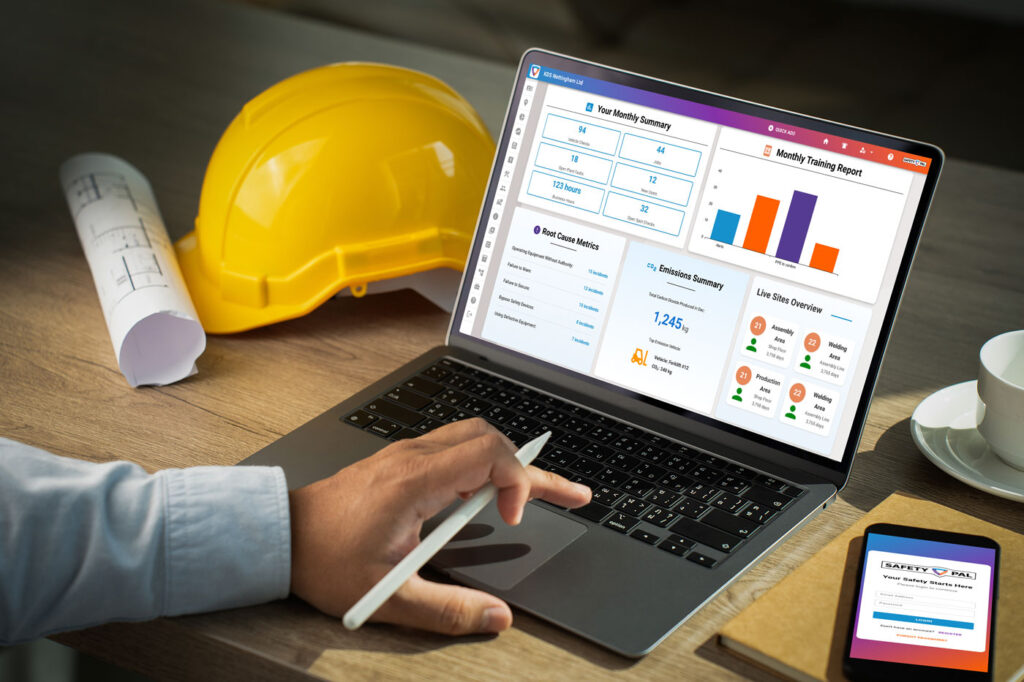
This is where a digital system transforms a weak link into your strongest evidence. Safety PAL was designed to solve this exact problem by replacing ambiguous paper trails with a definitive, time-stamped digital record that provides auditable proof of comprehension.
Instead of chasing paper, you can issue task-specific knowledge and instruction directly to a worker’s smart device. They receive the information—whether it’s a document, a short video, or a safety bulletin—and must formally acknowledge that they have read and understood it.
The moment they do, Safety PAL creates an unchangeable, digital record, including:
- Verifiable Understanding: The system confirms comprehension, not just attendance, providing the auditable proof needed to show you have met your legal duties.
- Multilingual Support: All information can be delivered and evidenced in 27 different languages, breaking down communication barriers and ensuring every member of a diverse workforce can understand critical safety instructions.
- Integration with On-Site Work: Using the Job Management module, a supervisor can conduct an on-the-spot Toolbox Talk or compliance check via a tablet. They can ask specific questions, such as “What PPE is required for this task?”, and digitally record the worker’s response as evidence.
- Automated CPD Records: When a worker completes training, reads a document, or acknowledges a safety alert, their personal Continuous Professional Development (CPD) portal is updated automatically. This eliminates a major administrative burden and helps identify training gaps.
- Real-Time, Centralised Reporting: All records are stored in one central system, accessible 24/7. You can instantly generate reports for any worker, team, or site, turning an audit that once took days into a task that takes minutes.
Stop Chasing Paper, Start Proving Compliance
Stop letting paperwork undermine your hard work. A pile of sign-in sheets is a liability waiting to be exposed. A digital, verifiable audit trail is your best defence. It provides the peace of mind that comes from knowing you can prove you have taken every reasonable step to keep your people safe.
Book a no-obligation demo below to see how Safety PAL can protect your business…
Don't take our word for it,
we'll show you how...
Keeps Employees Safe
By providing training, managing and feedback systems that can be evidenced in 27 languages.
Reduces Risk of Accidents
Provides proof, to reduce your exposure to prosecution.
Provides Real-Time Reporting 24/7
Showing what has been completed, and what important tasks need to be done next.